For as long as I can remember, my travel philosophy has been a simple equation: Solo/Duo + Light Pack + Flexible Schedule = Good Trip. Usually, I'm the ghost on the road—appearing in new places with nothing but a rucksack on my back and an open mind. My rules are clear: keep it lean, stay solo or duo, and be ready to pivot at a moment's notice.
This time, however, the rulebook was tossed out the window entirely.
It wasn’t going to be a backpacker’s wanderlust this time; it was going to be a full-blown family expedition. We were talking eight people in one party. It wasn't just about getting somewhere anymore; it was about managing logistics for an entire caravan of luggage and kinfolk. But the spark? That belonged to my cousin.
He had reached what he called a profound realisation. In his own words: "I would much rather go somewhere I want to, rather than somewhere I can."
Suddenly, we were looking at a destination not dictated by ease or availability, but pure desire. His target was Kashmir. And so, the planning began in a state of impulsive abandon.
Naturally, there were complications. This was last-minute travel talk. The train tickets to the Himalayas had vanished like mist, and the remaining flight seats were selling for an exorbitant premium. Enthusiasm had completely outpaced reality; it felt impossible we'd ever make it. But then, luck intervened. Somehow, before our departure date arrived, the tickets started clearing up. With a few strategic flight connections filling in the gaps, the seemingly chaotic dream began to shape up into a workable itinerary.
Honestly? I was hesitant.
Just days prior, I had returned from my own trekking expedition in Phalut. My legs were still telling me what I should be doing. The prospect of setting off immediately into another journey felt like biting off more than I could chew. But as I looked over the composition of our group, I changed my mind. There were six elderly family members among us, all arriving with their own share of heavy luggage. To imagine my cousin managing the entire expedition single-handedly seemed… unreasonable. The weight wasn't just in bags; it was on his shoulders.
So, despite my weariness, I caved. I agreed to come along.
Here is where the contrast lies between who I usually am and what was happening now. Barely a week after returning from the solitude of the Phalut mountains, I found myself repacking not for a lightweight trek, but for this new family adventure. No more hiking boots and water bottles. Instead: multiple train and flight connections, a massive amount of baggage that looked like it could topple over on its own, and eight of us stepping forward as one unit.
We weren't travelling light. We were travelling together. And the destination? The Valley of Kashmir was waiting to tell us its story.
TL;DR: A Few Tips Before You Visit Kashmir
- Short on time? Prioritise Sonamarg. If your primary reason for visiting Kashmir is its natural beauty, Sonamarg alone offers an extraordinary experience. Of course, Srinagar and Gulmarg have their own charms, but if you have to pick just one, Sonamarg would be my choice.
- Sort out your mobile connectivity. Prepaid SIM cards issued outside Jammu and Kashmir may not work in the region. Carry a postpaid SIM or purchase a local tourist SIM card. If you need mobile connectivity, arrange this before leaving Srinagar Airport.
- Be prepared to hire local cabs. In most tourist destinations, outside vehicles are not permitted to conduct local sightseeing. You may have to hire cabs operated by local taxi unions, even if you have already travelled there in your own or a pre-booked vehicle.
- Vegetarians need not worry. You can find vegetarian restaurants at almost all major tourist destinations. Finding a decent vegetarian meal generally shouldn't be a problem.
- Think twice before renting snow boots. Before buying or renting a pair, assess whether you actually need them. In many situations, covered shoes with a good grip are perfectly adequate and may even be more comfortable than bulky snow boots. This, of course, depends on the snow and terrain conditions.
- Watch out for paid reel-makers. Almost every popular tourist spot has people offering to make Instagram reels and videos. Some can be quite persistent. If you decide to use their services, clarify the charges beforehand. Costumes, pigeons, goats and other props may be charged separately.
- Negotiate whenever possible. Many quoted prices, particularly for local cabs, horse rides and reel-making services, are negotiable. A little bargaining can often get you a reasonable discount.
- Don't hesitate to approach military personnel for help. We found them quite helpful and approachable. If you need directions or assistance, feel free to ask.
- Be mindful of security restrictions. Kashmir is a security-sensitive region, and you may encounter military installations, personnel and vehicles during your travels. Avoid photographing, filming or sharing images of military assets and sensitive security arrangements. Such material could inadvertently reveal sensitive information and pose a risk to national security. Always follow local instructions and restrictions.
My First Impressions of Kashmir
Travel is not just about the destination. This trip to Kashmir reminded me once again that it’s also about the journey—and sometimes, just a little bit of luck along the way.
The logistics were as complex as the mountains we were approaching. Five of us hopped on the Shatabdi Express from Kolkata to Ranchi to meet up with the rest of the crew coming in from Bokaro. Once reunited, the adventure truly began aboard the Rajdhani Express to New Delhi. From there, we boarded an Air India flight to Srinagar, the summer capital of Jammu and Kashmir.
That’s when the magic started to show itself. I had originally booked an aisle seat. But the aircraft was surprisingly quiet, almost too empty. The cabin crew noticed the empty spot in the emergency exit row and offered me a window seat there instead.
It turned out to be the stroke of fortune I needed. As the flight approached Kashmir and we dipped towards the valley below, I looked out the glass. Snow-capped mountains stretched as far as the eye could see, their peaks dusted white like powdered sugar on a giant cake. The majestic peaks surrounded the valley like a natural fortress, creating a breathtaking silhouette against the sky. It was an incredible sight, and quite honestly, a very fitting introduction to the paradise we were about to explore.
If there is one piece of advice I can give you right now based on this trip, it’s about connectivity. We found out the hard way that prepaid SIM cards issued outside Jammu and Kashmir are useless once you enter the state.
We were left without service, disconnected in the most beautiful place on earth. The fix? Simple: head to the arrivals area at Srinagar Airport and purchase a local SIM card there. If you rely on your phone for navigation or staying connected with friends and family back home, make sure you sort this out before leaving the airport.
Okay, let's address the elephant in the room before we get into the highlights. If you ever want to know a place’s pulse just from the moment you set foot in it, look no further than the airport terminal. We were literally swarmed by cab drivers who were practically leaning over us to pitch their offers. It wasn't exactly a warm welcome; the constant hawking was enough to sour your mood instantly. I left the airport with a bitter taste in my mouth that made me wonder what else I’d encounter on this trip.
After avoiding the aggressive drivers and regrouping, we boarded our pre-booked cab, heading down Boulevard Road to Ghat No. 17 along the banks of Dal Lake. Our night stop was a houseboat, and getting there involved a final leg on a shikara.
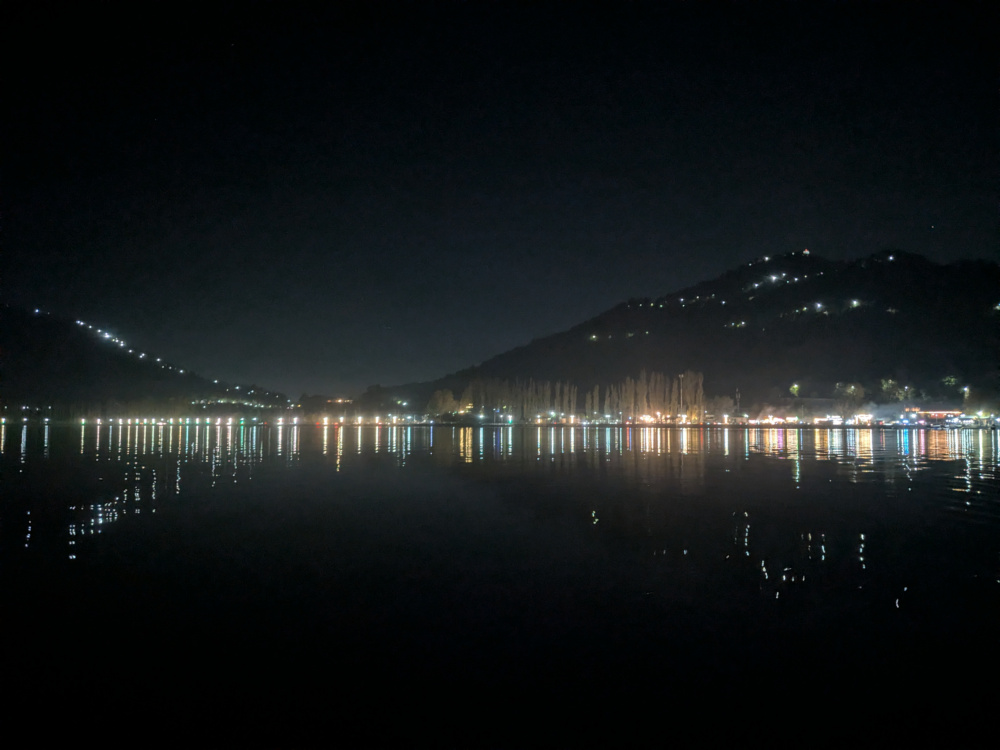
By then, darkness had already settled over Srinagar, but it only added to the romance. The shikara glided gently over the cold, glassy waters. On one side, the city lights of Srinagar illuminated the shore; on the other, the warmly lit houseboats lined the edge like floating islands. Their reflections shimmered and danced on the dark water as the boatman rowed us towards our accommodation. After a gruelling journey involving multiple trains and a flight, that peaceful glide was exactly what I needed to decompress.
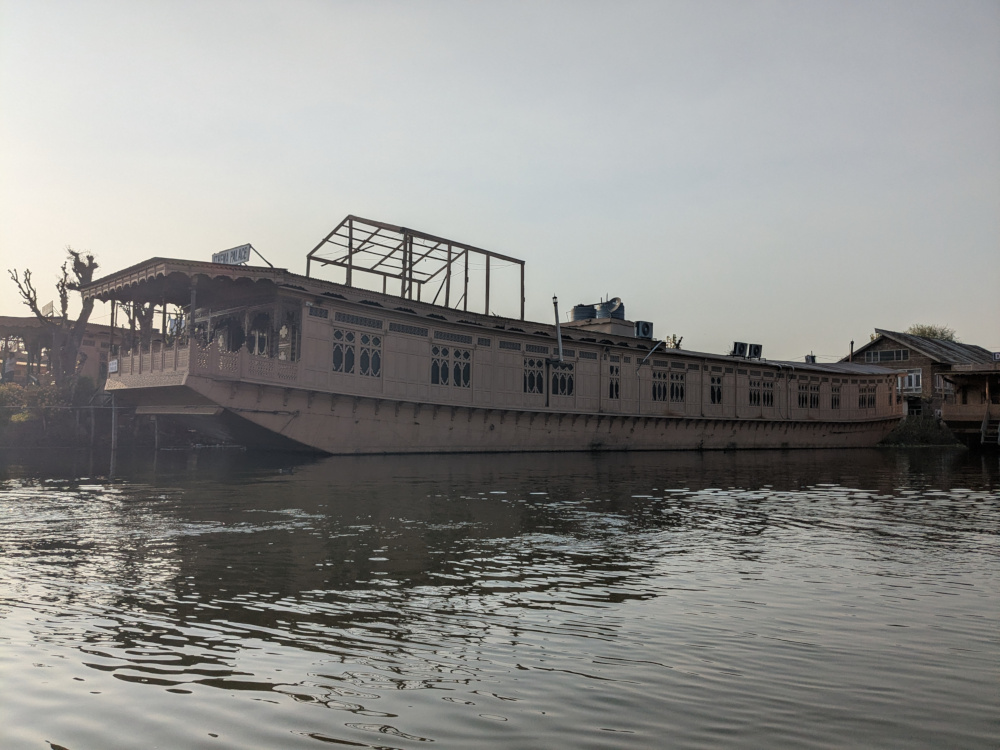
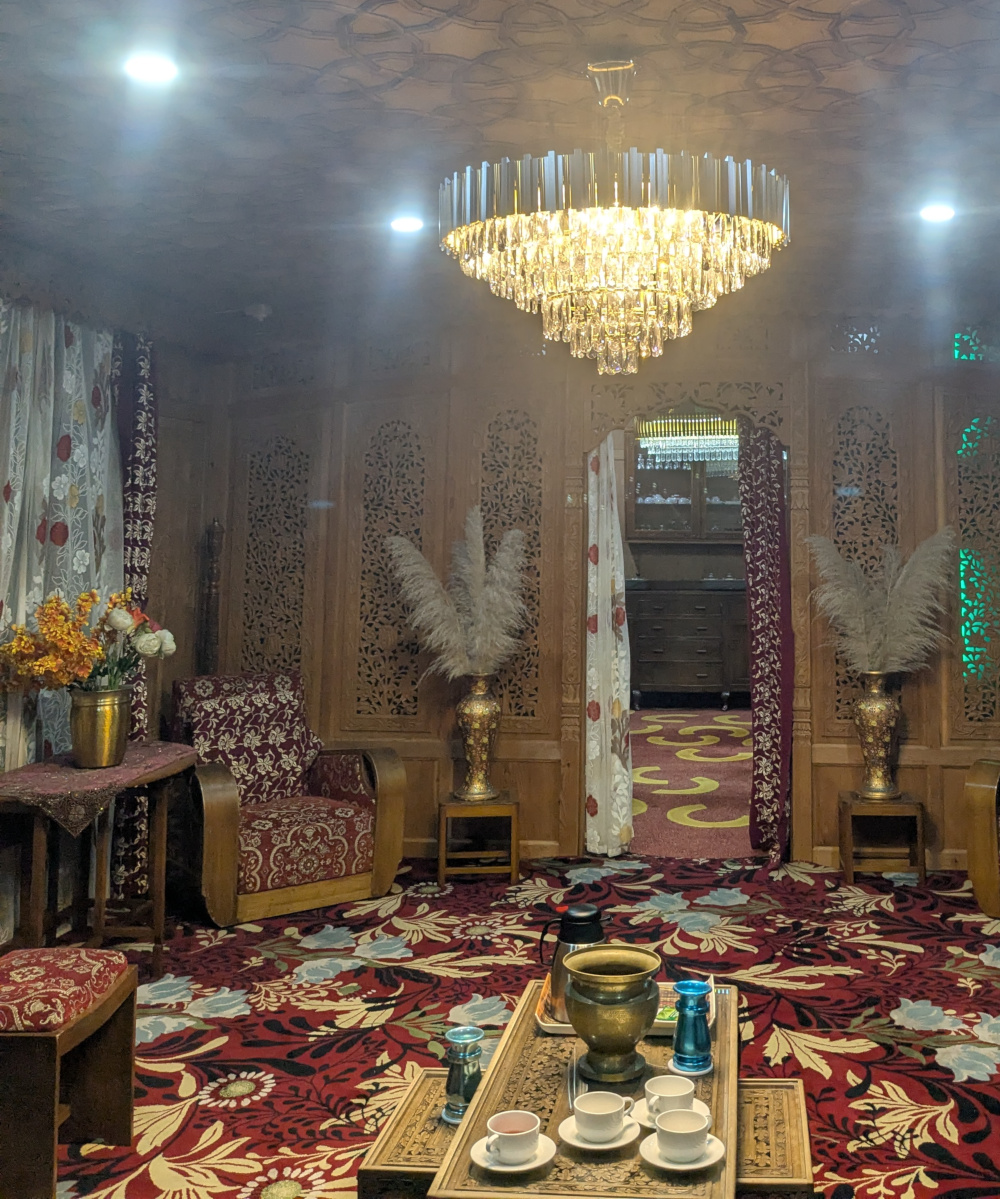
The interiors of our houseboat were quite something else—lavishly decorated with ornate furnishings that gave the place a regal, almost royal feel. The rooms were spacious and comfortable. Now, I have to be honest: the food didn't quite match the grandeur of the surroundings. It was a bit underwhelming for such a stunning setting. Nevertheless, after a pleasant first night in Kashmir, we were more than happy to call it a day.
I woke up early the following morning, eager to see what Dal Lake looked like when the sun rose. It didn't disappoint.
The first rays of sunlight gradually illuminated the surrounding mountains and the still waters of the lake, creating a picture-perfect setting. There was an incredible tranquillity in those early hours before the usual bustle of tourist activity began. Watching the sunrise from our floating houseboat was an experience in itself; I spent some time simply soaking it all in, letting the view wash over me.
Eventually, the rest of our group began to stir. After breakfast, we had a brief photoshoot session around the houseboat, making the most of the beautiful surroundings before leaving.
We boarded a shikara back to the shore, where our pre-booked vehicle was waiting. With everyone and their luggage finally aboard, we set off towards our next destination: Gulmarg.
Our introduction to Kashmir had been brief, but it had already offered a glimpse of what lay ahead. If the snow-clad mountains seen from the aircraft and the serene waters of Dal Lake were anything to go by, we were in for quite an adventure.
Gulmarg: High Above the Clouds
Three hours from Srinagar lay Gulmarg, a destination that felt worlds away before we even packed our bags. The journey up was its own reward. As the car began to inch higher into the mountains, winding roads carved through misty hills, something magical happened: the air got crisp and sweet.
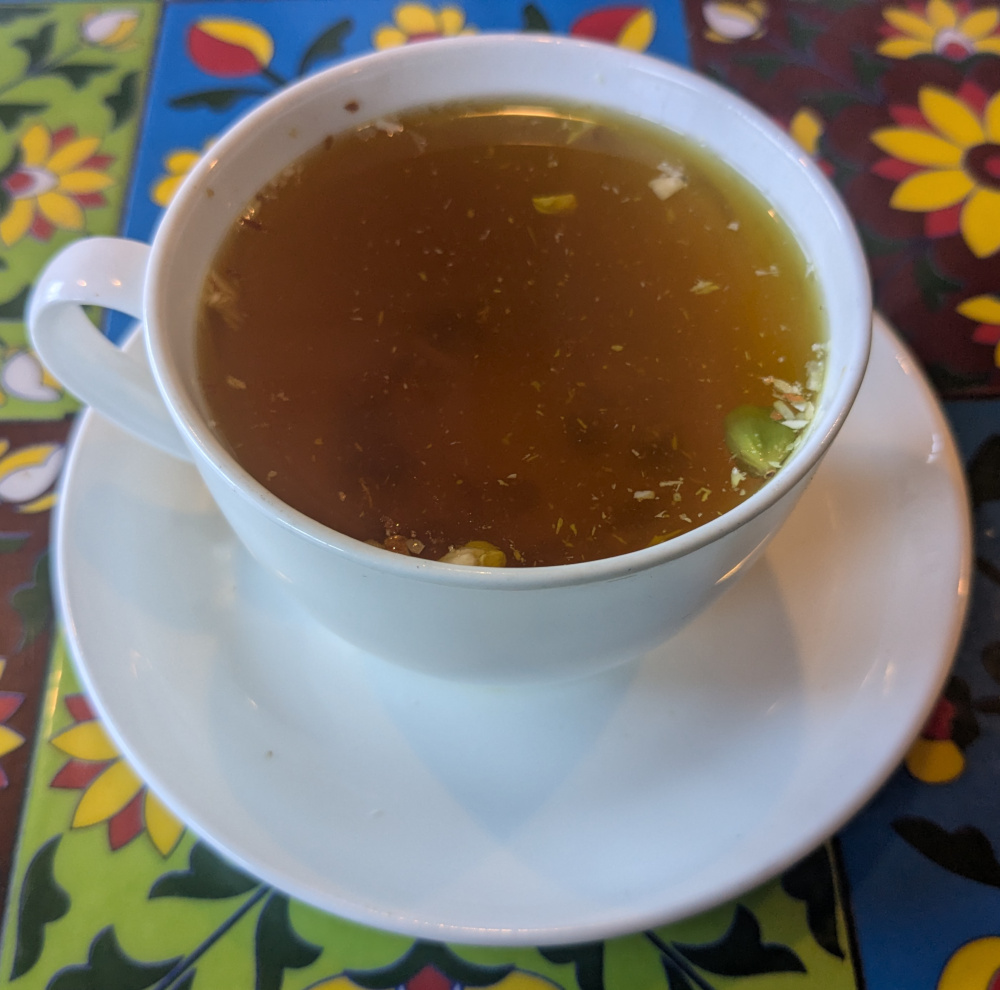
We made a mandatory stop for Kahwa. If you’ve never had Kashmiri Kahwa, you’re missing out on a liquid jewel. It’s a drink infused with saffron, cardamom, and cloves, garnished with crushed almonds and dried apricots. As the warmth spread through my chest after that first sip, it was the perfect, aromatic welcome to the valley. It wasn’t just a drink; it was a cultural handshake.
As we drove up, we couldn't help but notice the rhythm of Kashmir's security presence. Every few hundred metres, a checkpoint appeared. It was a sight that felt unusual coming from plains cities where military visibility is low. At first glance, it felt stark. But as we passed each post, our nerves settled. There’s an unspoken reassurance in seeing so many personnel securing a sensitive land; eventually, the sight became part of the backdrop rather than an obstacle.
We checked into Hotel Lupin, situated snugly beside a BSF outpost. It sounds heavy to some, but the hospitality here made the location feel intimate rather than imposing. Our room offered a view that defied belief: looking out from the slopes, Srinagar sat like a distant jewel in the valley floor.
While some of our group rushed towards the Gulmarg market for shopping, we wandered off seeking dinner. We found a cosy restaurant where everyone ate their fill of warm comfort food. Back at the hotel, the night didn't end with sleep; it ended with UNO Flip. The game became an entertaining ritual to wind down after the journey's exhaustion.
But logistics are always tricky. Before we slept, we learned a vital lesson: the local cab unions restrict outside vehicles from operating in certain tourist zones. If you want to avoid haggling or confusion the next day, you'd need to book your Gulmarg sightseeing rides in advance. It changes your budget and your planning significantly.
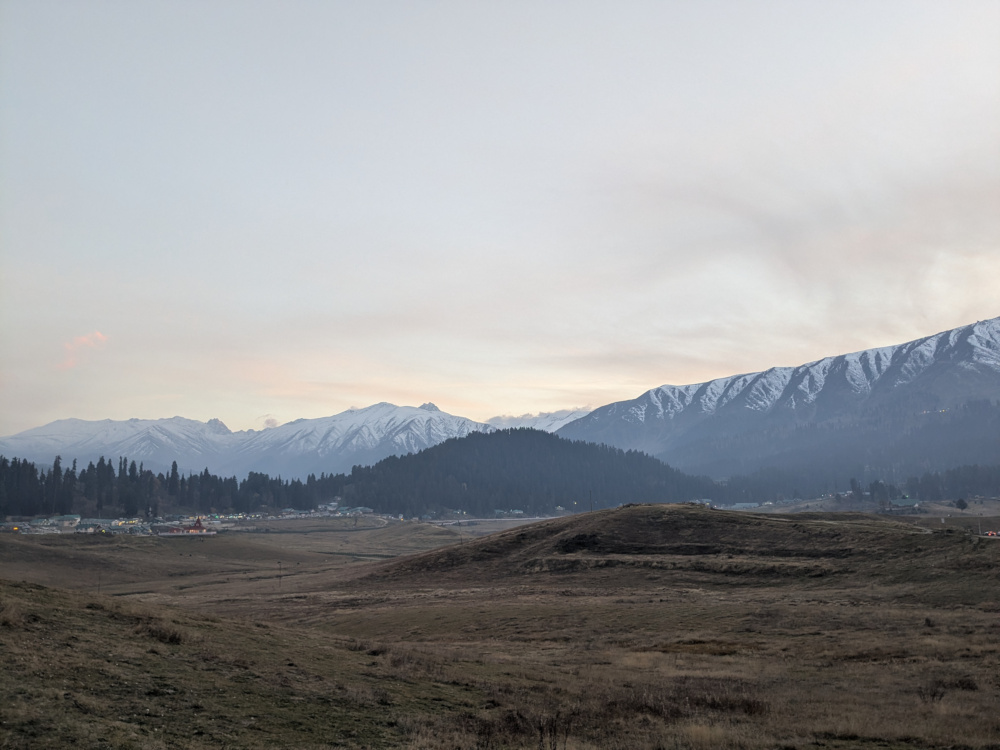
The next morning, I woke before the sun. Deciding against a rushed day, I walked out towards the Shiva Temple in the middle of the Gulmarg meadow. It was closed—the doors locked against the early chill—but it didn't matter. Walking alone through the open grassland, surrounded by jagged mountain peaks, felt incredibly rejuvenating. Sometimes, the simplest moments—a quiet walk in cool air—become the memories that stick the longest.
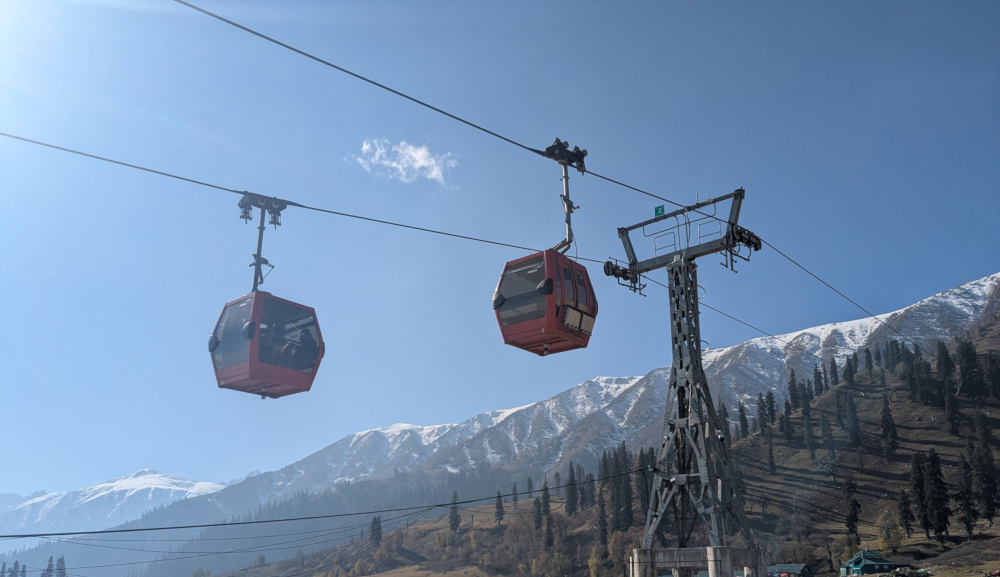
After breakfast, we hurried towards the gondola station. There is a rule you must respect here: private vehicles are often banned after 9 AM for the gondola ride. We were running late—just a few minutes—and our driver managed to squeeze us through, likely by knowing the right people or "greasing palms" along the way. That moment was an uncomfortable reminder that in tourist spots, bureaucracy is fluid, and time is your enemy.
The boarding area itself wasn't all smiles. Several aggressive guides tried to hustle us into hiring services, their demeanour bordering on hostile. Outside vendors sold snow boots with insistence. I watched some other travellers nod politely while buying them, but it was clear we didn't need them. A pair of covered shoes with good grip worked just fine. My takeaway? Don't let vendors convince you that everything they sell is essential.
Despite the hustle and the crowds, my cousin hired a registered guide for us, and we began our ascent to Phase 1. The view was spectacular. Below us, meadows unfolded into a panoramic masterpiece, framed by snow-capped peaks. However, when we arrived at Phase 1, there was no snow yet.
We faced a question: Do we risk the elderly members of our group for the full experience at Apharwat? The altitude is 3950 metres—a step up in elevation and a test of endurance. But looking around, their enthusiasm was infectious. We decided to go.
Phase 2 was a different world entirely. It was cold, crisp, and covered in white. We stood surrounded by snow that looked untouched except for where we trod. There was a heavy military presence here due to its proximity to the Line of Control—part of what makes Kashmir such a complex place—but the scenery was undeniably breathtaking.
Everyone had fun at Apharwat. Even the elderly group members were busy playing with snow and making memories with professional reel-makers capturing their joy. Seeing everyone get into the spirit, regardless of age, was heartwarming.
By the time we descended, the crowds had swelled considerably. The boarding area felt packed and congested, reinforcing a final rule for any traveller reading this: If you want to see Gulmarg gondola in its prime, without fighting the crowds, make it your first destination of the day. Start early. Avoid cutting it too close.
We left with full hearts. A trip like this leaves an imprint—not just on the camera roll, but in the quiet moments and the first touch of snow.
The descent from the upper station felt like stepping out of a dream back into reality. We hopped into our union cab, shivering slightly as we navigated the lower streets of Gulmarg, ready to tackle whatever the day had left in store for us. The plan was simple: see the sights and soak up one last bit of mountain air before leaving Gulmarg.
But Gulmarg has a way of teasing you, doesn't it?
Our first stop was Strawberry Fields. On the brochures and Instagram feeds, it looks like a vibrant place. Here, on the ground, it was just an empty field. There were no strawberries—no red at all, not even a hint of them in season. It was underwhelming, almost ghostly in its emptiness. The next stop, the Children's Park, felt similarly indifferent. By then, the excitement had bled out of us. Two disappointments later, the consensus among the group was clear: Enough. Lunch time.
Following our meal, we headed back to the Shiva Temple. If the morning visit was a touch-and-go spiritual moment before dawn, this one felt like an anchor in the chaos of the day. Now that the doors were open, we offered our pujas, and the air inside felt heavy with history and calm. It was a grounding shift. We moved on to the Army Museum, and honestly? This was where the day found its heart. While Strawberry Fields had disappointed, the museum held weight. Inside those walls, I gained a different perspective on this region—the quiet dignity of its military history, a story told in artefacts rather than just tourist brochures.
That, for most of us, marked the end of the sightseeing. Tired feet and weary eyes were calling for rest. However, I wasn't ready to call it quits yet. With a map that felt more like an open invitation than a guide, I decided to push a little further on my own towards the palace of Maharaja Hari Singh. It was supposed to be a quiet detour, perhaps the most regal thing left to see. Alas, the gates were closed for renovation. The disappointment was small but noticeable—a reminder that even legends are kept waiting behind "out of order" signs.
By evening, we all converged back at the same restaurant we'd visited the night before. There is a certain comfort in returning to the places that have fed you, isn't there? Tonight, the menu brought out the soul of Kashmir: Chicken Kanti for the tangy heat, Rogan Josh for its deep, earthy warmth, and Kashmiri Pulao to finish it off with aromatic perfection. It was a satisfying dinner, rich in flavour just like our growing bank of memories.
Our time in Gulmarg had finally come to an end. Looking back at the day, the highlights weren't just the thrill of the gondola ride or the pristine snow-covered slopes of Apharwat. Those were the obvious attractions. But the quiet morning walk through the meadow? The tranquillity of our stay at Hotel Lupin? Those were the moments that made the journey worth it.
Sonamarg: Paradise Within Paradise
The journey from Gulmarg to Sonamarg took about five hours—a stretch of tarmac that felt like a lifetime as we watched the landscape shift outside the car window. We stopped for our midday break at a restaurant where the signage was sleek and the exterior looked positively aesthetic. Unfortunately, reality had other plans. The service was incredibly slow, taking almost an hour and a half just to get our food served, and the food was, to put it politely, a mixed bag. It was a classic case of ambience outpacing quality.
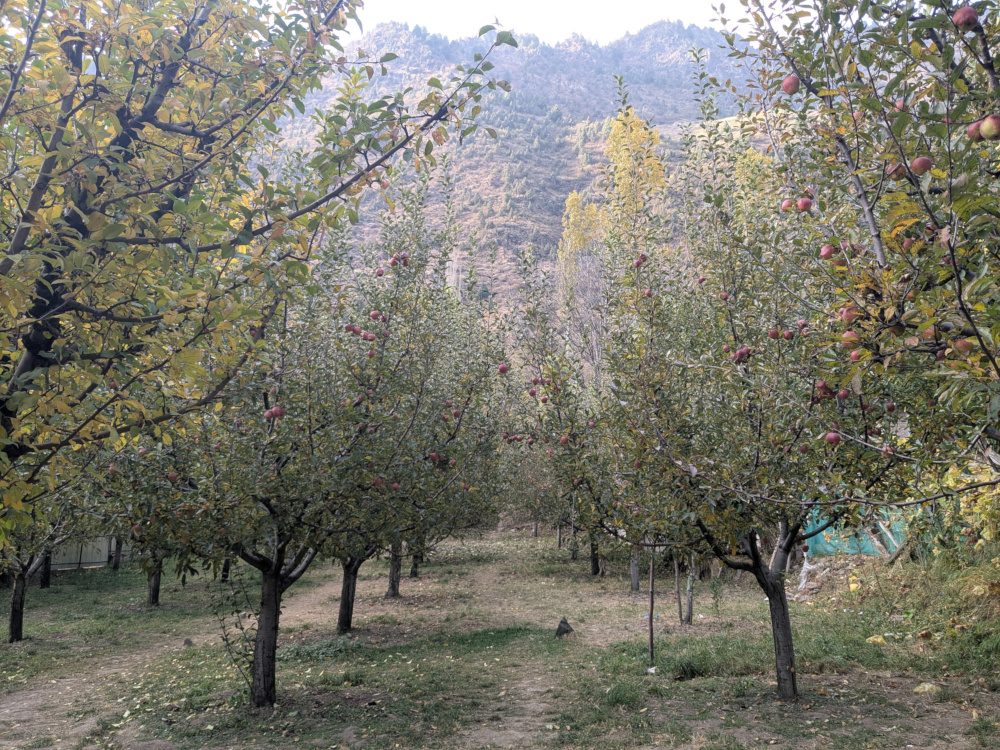
Our next discovery changed the entire vibe. We stumbled upon an apple orchard. We had been told the season had supposedly ended, but as soon as our eyes caught sight of the trees, all doubts evaporated. They were still heavy with fruit. We wandered through the rows for a long while, soaking in the air which felt thick with the scent of earth and ripeness. Naturally, we took photos—everywhere we looked was a postcard-worthy view. The prices at the stand were reasonable enough to make us buy some apples for ourselves. It was one of those small, unplanned stops that turned an ordinary road trip into something magical.
Then came the Sonamarg Tunnel. On paper, it's just another infrastructural marvel, but in person? It’s a spectacle. We drove into darkness and silence, only to have our eyes meet a sudden shock of light and colour on the other side. Emerging from the tunnel was an overwhelming moment of contrast: the deep, comforting black gave way immediately to snow-capped mountains stretching out in every direction. The landscape didn't just open up; it exploded before us. It’s honestly one of the most memorable sensory experiences I’ve had in a long time. If you ever make this trip, do not skip the tunnel.
By evening, we were checked into Four Points by Sheraton—a property my cousin had booked weeks in advance. The views from our balcony were breathtaking: on one side stood the mighty Thajiwas Glacier, and on the other lay the green meadows of Sonamarg, framed by peaks that looked like they belonged to another planet. We had three nights there, which felt like a gift we didn't need to rush.
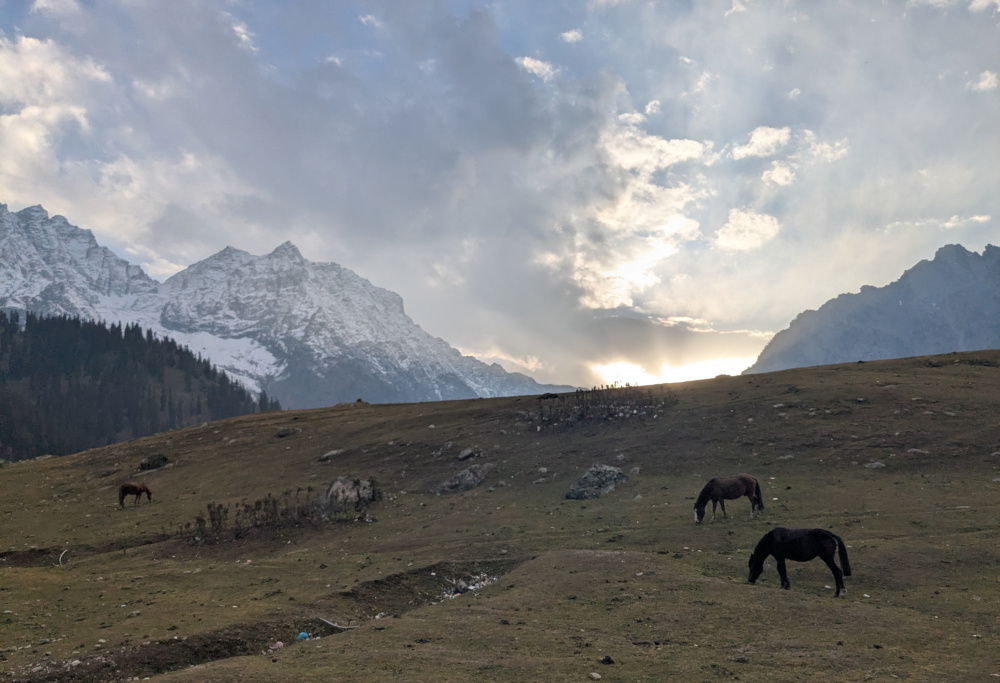
Our first night was about doing nothing in particular. It’s rare after days of sightseeing and packing. We just sat, enjoying the hospitality and letting the quiet settle over us.
But the morning brought action. After a lavish breakfast, we geared up to visit Thajiwas Glacier. To reach the viewpoint, a horseback ride was mandatory. Two members of our group, including my mother, decided to skip it that day—a peaceful retreat in the schedule if there ever was one. We negotiated what we felt was fair for the horses and set off.
The adventure truly began once the hooves hit the mountain trail. I found myself humming along with the horse, treating it less like a mode of transport and more like an expedition companion. I watched its gait, noted its intelligence as it navigated the uneven path. But not every moment was perfectly peaceful. My cousin’s mount decided to take a different approach during a steep stretch; suddenly, it looked ready to throw him off. The handler worked hard to bring it under control, and my cousin eventually walked for a while before remounting. It was an unexpected interruption, but we didn't let it ruin the day.
Finally, we reached the viewpoint. Interestingly, there wasn't a patch of snow immediately around us at the top, yet that didn't diminish the beauty one bit. The glacier glowed in the distance, feeding streams that carved paths through the valley below. The mountains loomed, and the sound of rushing water provided a constant soundtrack to our contemplation. We spent hours there before making the return journey.
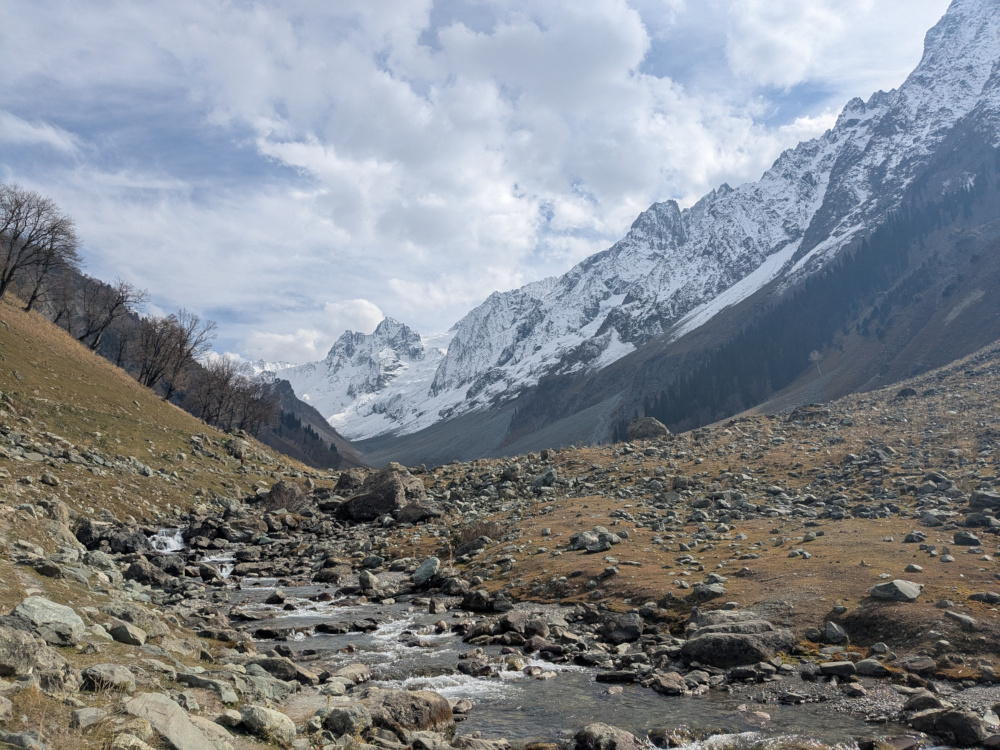
Back near the hotel, we stopped at Mountain Lounge Café for lunch. Then, I took a solo walk towards the Sind River. I had momentarily confused it with the Sindhu because of the similar names—a harmless mistake in my excitement. Still, standing by the water in the relative calm of an evening is rare and soothing.
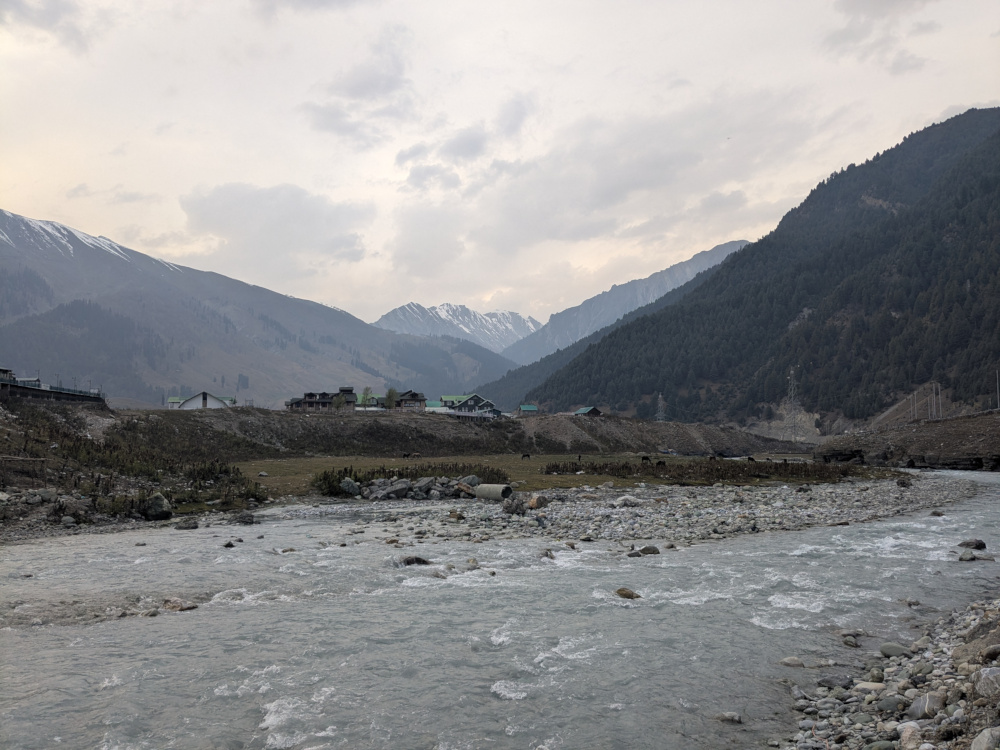
I made my way to the nearby Sonamarg market later and found a small Shiva Temple. I stopped for some prasad. It was also the eve of my cousin’s birthday. Naturally, that required one more stop—back at our hotel café to pick up a cake.
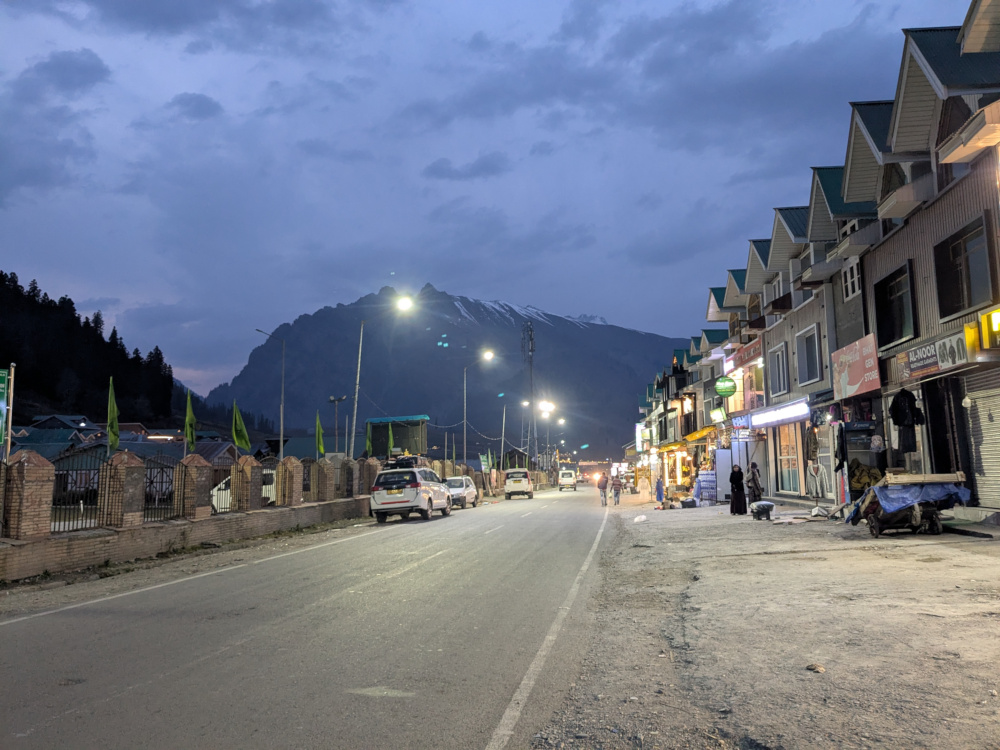
By midnight, we had gathered for a celebration. It wasn't a grand bash, but it was lovely. The setting made the occasion feel even more special.
The following morning, when we had breakfast, the hotel staff surprised my cousin with another cake. A double dose of birthday sweetness! After those extra moments of love, we turned our attention to what comes next.
We had chartered a local union cab to conquer Zero Point, that legendary vantage point near the Zojila Pass where snow usually clings to the ground like memory.
As we wound our way up through the Zojila Pass, the landscape didn't just change; it transformed. The road narrowed, hugged the cliffside, and offered dramatic views of rugged mountains that seemed carved by giants. Through the window, we caught a glimpse of something new: the ongoing construction of the massive Zojila Tunnel. It was a fascinating juxtaposition—the ancient challenge of the pass meeting the promise of modern engineering, hinting that even the toughest mountains could eventually be tamed.
Zero Point itself was steeped in atmosphere. But let me tell you, it came with its own soundtrack: the persistent pitches of paid reel-makers trying to convince visitors to utilise their services. While some of the elderly members of the group got their reels made, it irritated me quite a bit as I tried to find a few quiet moments amidst all the commotion. There was another layer of concern, too—keeping an eye on the elderly members of our group as they navigated the uneven terrain. It was about ensuring everyone was safe enough to enjoy the view without mishap.
But here is where the trip pivoted from a standard excursion into something truly magical.
As luck would have it, snowfall began just as we were exploring the place.
For years, I had seen pictures of Kashmir in winter. I had visited Gulmarg and stood in white landscapes before. You think you know what snow is until you experience a fresh fall for the very first time. Watching the flakes descend wasn't just a visual experience; it was sensory—the soft hush of the ground being covered in layers of white turned the mountains into ghosts of themselves, and the air suddenly felt cleaner, colder, sharper.
That was my first real snowfall. And it lived up to every expectation I had ever built around it.
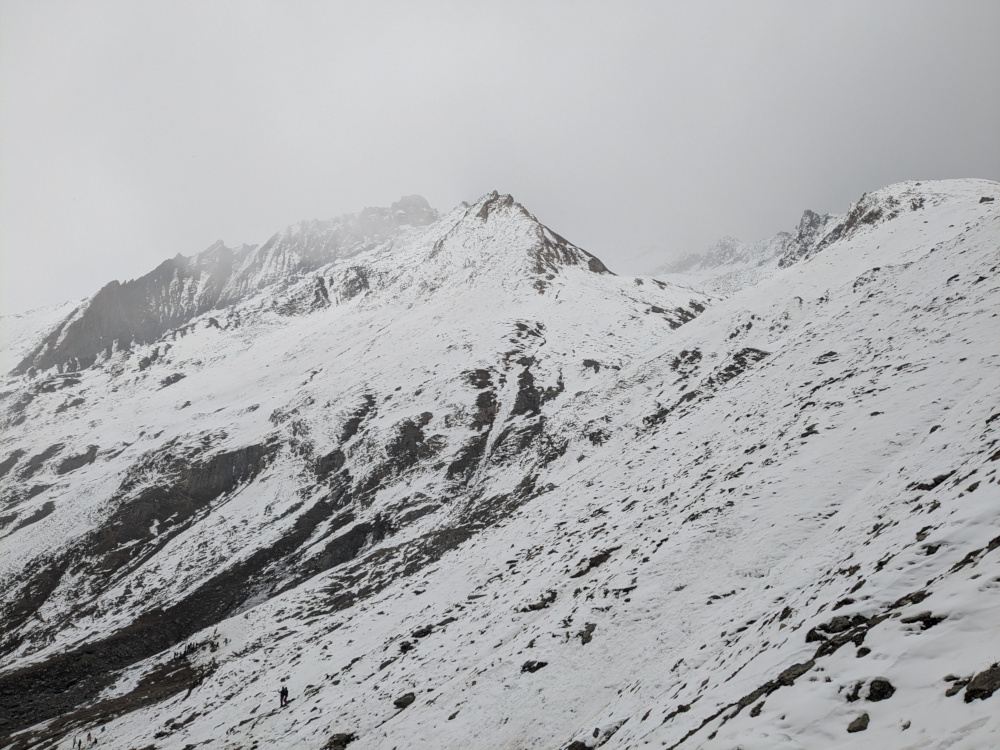
Rather than rushing the return, we decided to let the moment breathe. We made a detour to the Zojila War Memorial and the nearby Shiva Temple. Walking through those grounds while the sky emptied itself of snow was surreal. It felt like time paused in that sacred space; history met divinity under a silent blanket of white.
By the time we turned our backs on Zero Point, the snow had stopped its dance. The drive back offered one last chance at warmth: a rather late afternoon lunch at Mountain Lounge Café, sipping tea while looking back at the way we came down.
But the day wasn't done. My cousin had arranged another celebration for us—a traditional Kashmiri Wazwan. For those unfamiliar, this isn't just dinner; it's an elaborate feast. It is a celebration of meat, heritage, and hospitality served on grand platters.
Our table groaned under the weight of Tabak Maaz, Seekh Kebab, Rogan Josh, Rista, Gushtaba… the list went on. The flavours were rich, deep, and complex. I devoured my share thoroughly, though I could see several group members struggling to finish the sheer abundance. That struggle was part of the charm, too—a sign of how delicious a dish can be when the portion is simply overflowing with love.
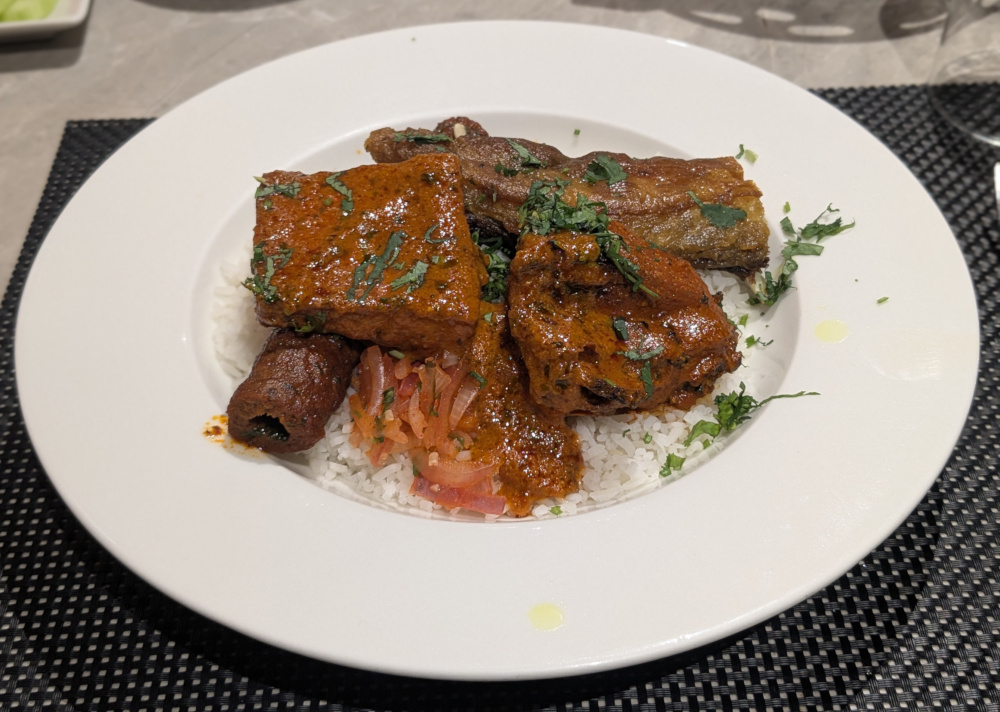
The evening brought our time in Sonamarg to a close on high notes.
Looking back, from the spectacular mountain views and the quiet moments beside the Sind River to the horseback ride towards Thajiwas Glacier, I felt grateful for everything Sonamarg had offered us. The birthday celebrations made the trip personal, but it was the snowfall that anchored me in the moment. And between the spectacular scenery and the culinary delights, Sonamarg had given us memories to cherish for a lifetime.
The following morning would find us packing our bags again, reluctantly bidding farewell to this beautiful corner of Kashmir as we headed towards our next destination.
Srinagar: A City of Gardens, Lakes and Memories
By now, we had experienced a stay in a Srinagar houseboat. It was charming, yes, but as our group discussed logistics during breakfast, it became clear that for us, it felt more like a novelty than a comfortable way to stay. The inconveniences outweighed the romance. So, while we returned to the city the next day, we checked into the Grand Mamta Hotel for the rest of our stay, opting for something more conventional and restful.
We had planned four nights in the city. On this first day back, there was a deliberate lack of rush. Most of us were nursing the tiredness of several days of travel, preferring to let our bodies rest before tackling the sights. We started slow. But by morning, the energy returned. We hired a local cab and headed out for a proper exploration.
Our first destination was the Shankaracharya Temple. The car dropped us at the parking area, leaving us to hire auto-rickshaws for the final stretch before the temple stairs. It wasn't just a road; it was a pilgrimage up a long flight of stone stairs. I watched my companions—yes, even our elderly members—take that climb with surprising enthusiasm. There is something about walking together towards a sacred site that unites a group instantly.
Standing at the top, the view of Dal Lake stretched out beneath us, magnificent and hazy in the morning light. Inside, we moved through the sanctum, pouring water over the Shiva Linga and accepting prasad from the priest. It was a quiet moment of peace amidst the bustle. We also slipped down into the cave just below the temple, where Adi Shankaracharya is said to have meditated. The air down there was cool and still. It was a grounding start to our sightseeing.
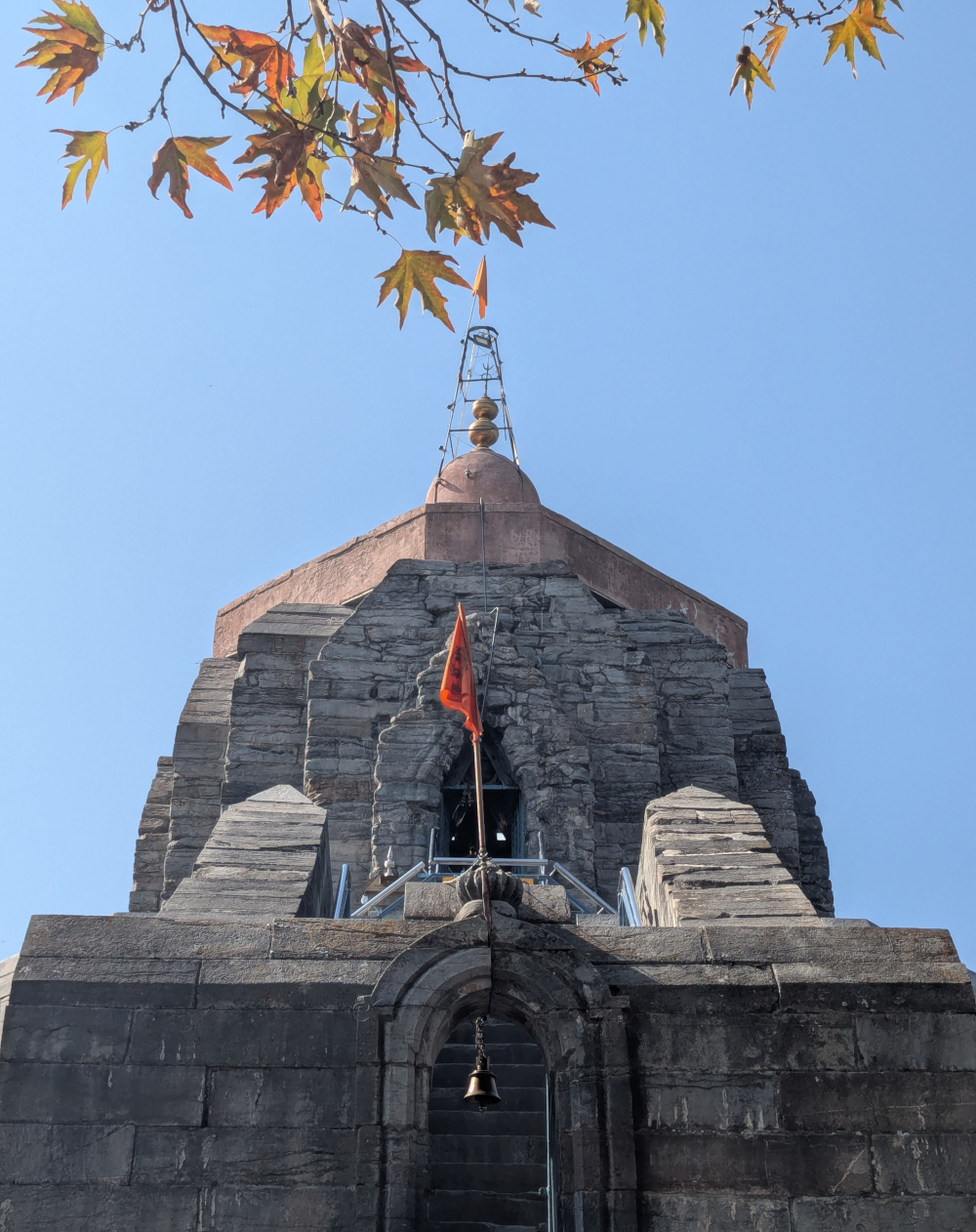
Then came the Nehru Memorial Botanical Garden. Like many travellers before us, we snapped a few photos at the entrance, ready to move on. But I wasn't quite ready to leave. "Let me take a quick look at the far end," I suggested, pointing towards the back of the grounds.
What I didn't expect was how much that detour would define our entire afternoon.
At the other end lay the Chrysanthemum Garden, where the 2026 flower show was already in full swing. The organisers claimed a staggering 12 million blossoms were on display.
An ocean of colour stretched before our eyes. It wasn't just flowers; it was an explosion of life and arrangement. Red, yellow, purple, white, orange—every shade seemed to have a place in this riot of beauty. We wandered for what felt like hours, getting lost in one beautiful arrangement after another. My phone kept taking photos, but honestly, those felt inadequate. They couldn't capture the sheer scale or the way the light hit the petals.
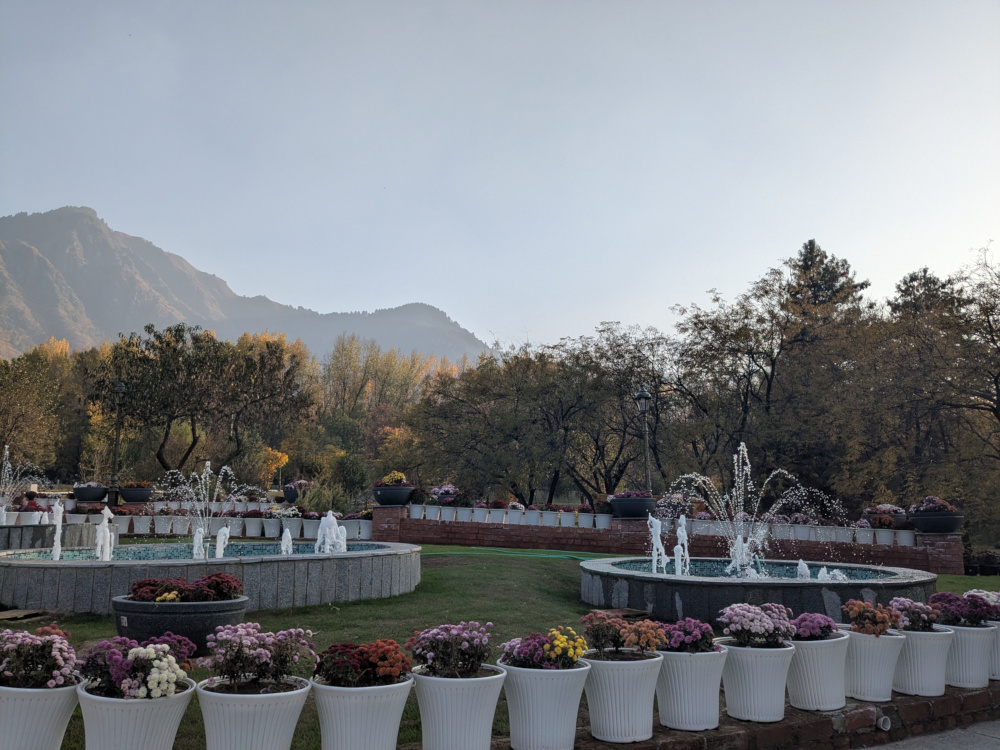
It was impossible to force ourselves out of that garden's spell. We simply had to stay. We abandoned the rest of our scheduled itinerary for this afternoon, trading sightseeing for immersion in a sea of bloom.
We finally left when we felt we'd had our fill, riding a shuttle over to Pari Mahal. This historic monument offered a sharp contrast: stone architecture, medieval history, and terraced gardens. Another Mughal garden, Chashme Shahi, peeped into view along the way, but with dusk falling and our feet heavy from walking among so many petals, we decided to skip it entirely.
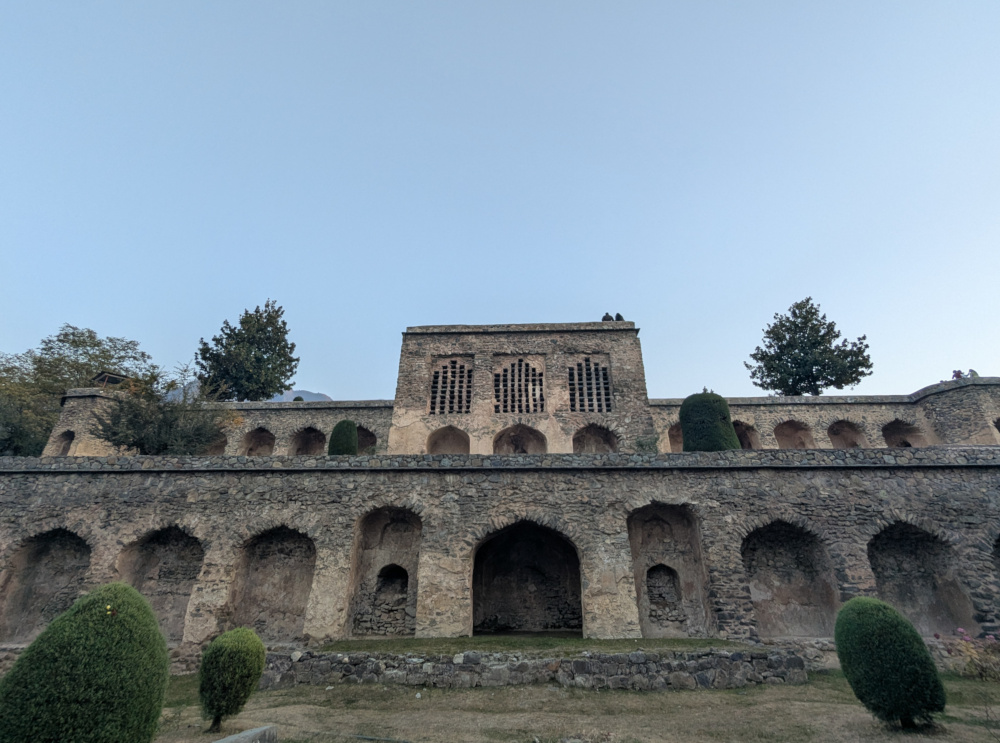
From the moment we arrived in Kashmir, the trip felt like a dream. But just as you are waking up from a perfect one, sometimes reality comes knocking in the form of an unexpected change.
My cousin had to bow out. Some work commitments pulled him away, and suddenly our group of eight was down to seven. But it wasn't just the math that bothered us; it was the void his departure left behind. He had been the architect of this journey—the one who dreamed it up, organised it, and brought us together. It felt strange to carry on without him.
Despite the quiet mood, the day offered small sparks of joy. Our senior members decided to wander Boulevard Road, a popular shopping stretch in Srinagar. There, we stumbled upon an elderly shopkeeper near Ghat No. 6, whose warmth turned a mundane shopping trip into something delightful. Pleased by his hospitality, I too decided to browse his shop and eventually bought myself a fur cap.
That evening I decided to walk alone towards Lal Chowk. The square was bathed in a radiant glow, with the famous clock tower illuminated by the tricolour lights. It was magnificent in its scale and solemnity.
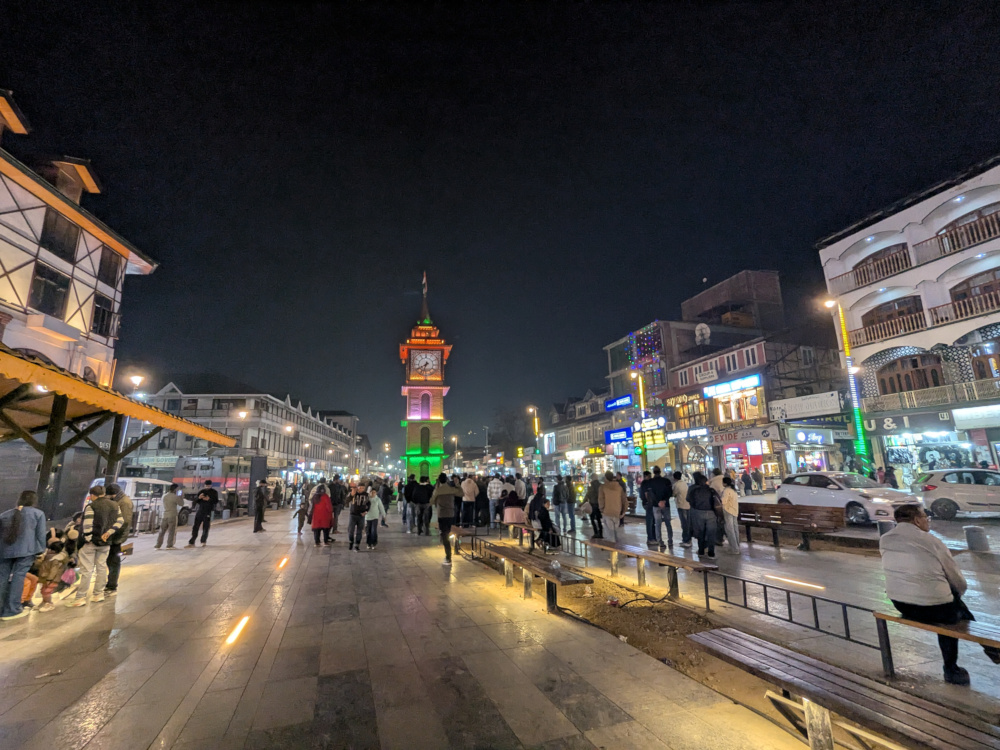
The streets were buzzing with tourists snapping photos. Yet, there is a rhythm to this city you only truly notice when you know how it works: the armed military and police personnel stationed at every corner aren't just security; they are part of the city's everyday landscape, a constant visual reminder that we are in a place where peace requires vigilance. I walked through that atmosphere for a while, soaking it in, before heading back to our hotel.
The next day was our last full day in Srinagar and it demanded we make every moment count.
We hired a cab for some more sightseeing, starting with the Hazratbal Dargah, perched on the banks of Dal Lake. Here, reality struck once again. The rules there meant that women were not allowed to enter the shrine.
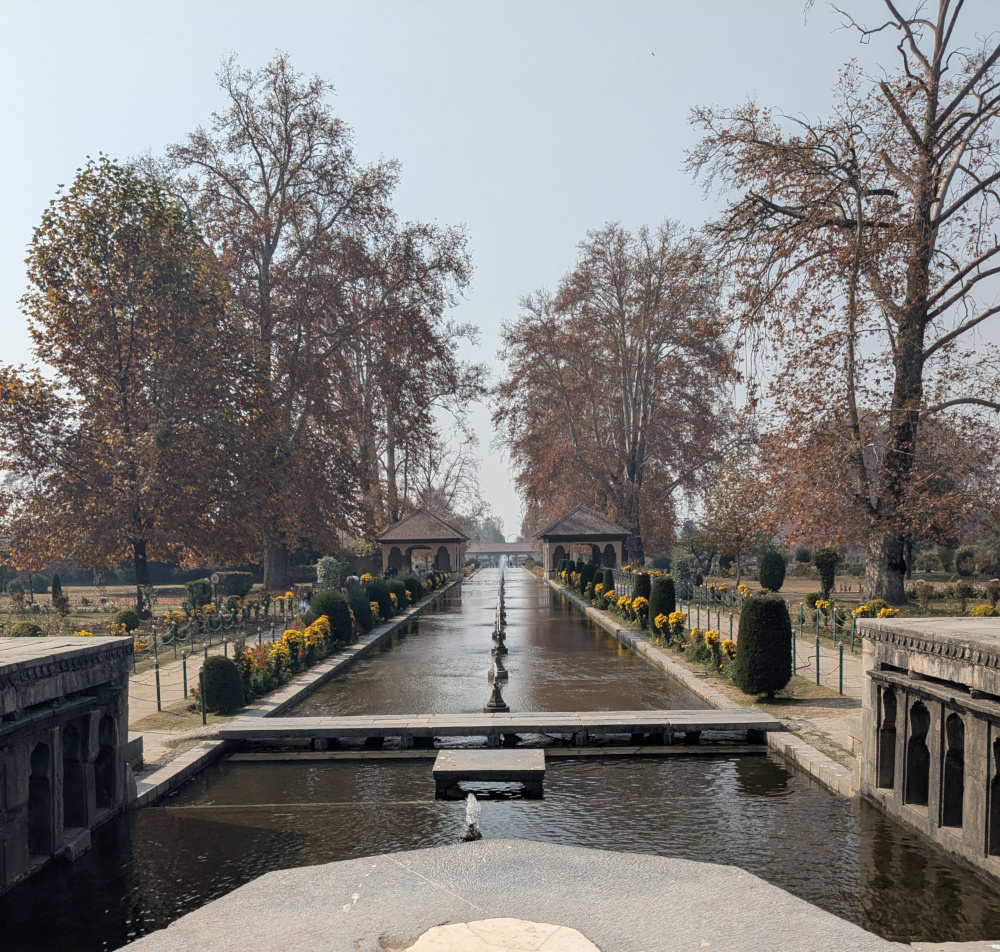
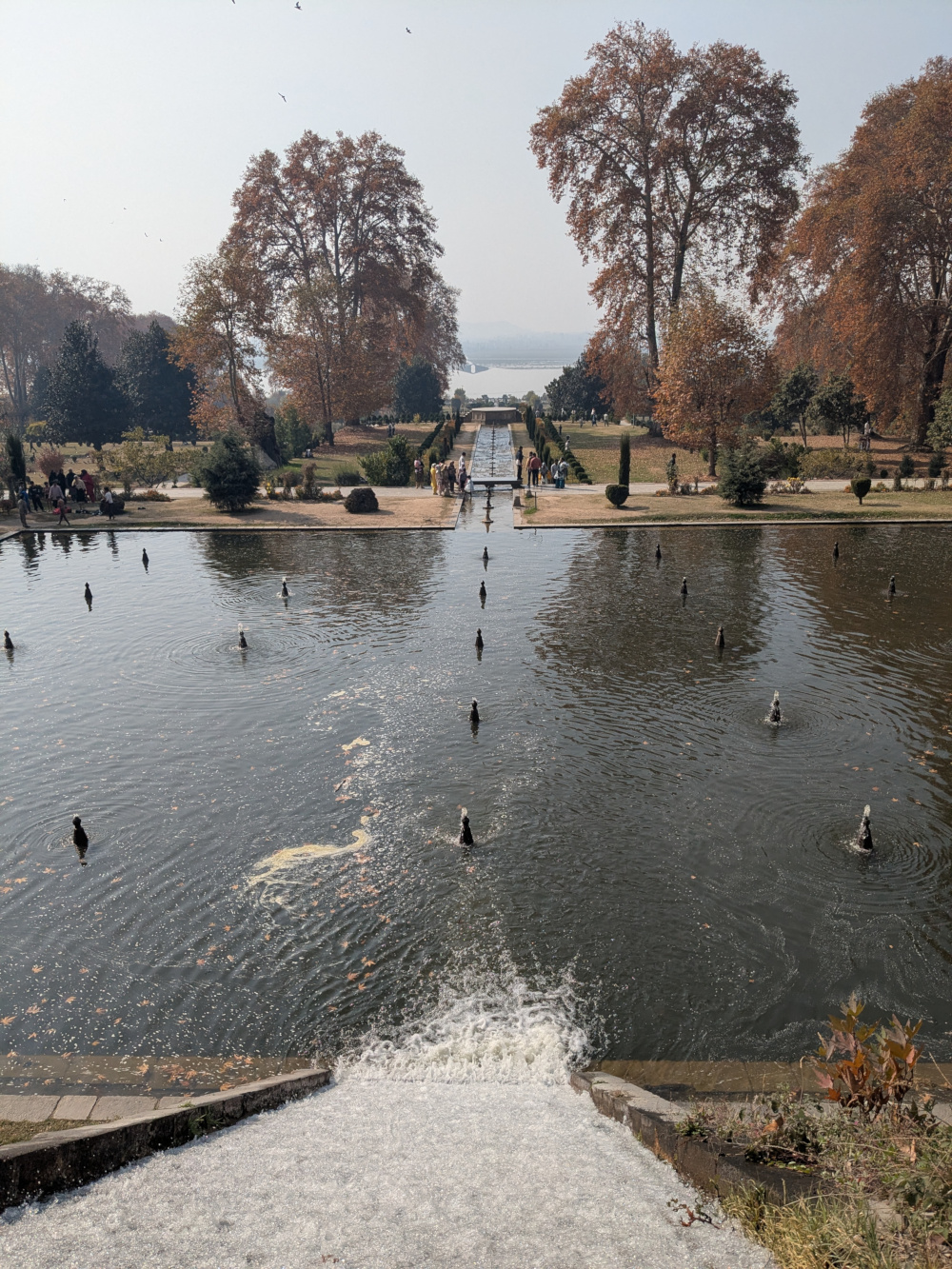
We moved on to the Mughal gardens—Shalimar Bagh and Nishat Bagh. This was where the magic truly lived. The gardens were immaculate, with flowing streams of water. The Chinar trees stood like old guardians, their crimson leaves contrasting against the blue sky, while colourful flowering plants added to the beauty below. There's a specific kind of beauty to be found here: the grand architecture of the Mughal era married seamlessly to the natural wildness of the valley. We spent hours just walking, letting the scent of earth and flowers drift around us.
In the afternoon, we planned a return voyage on Dal Lake. I remembered our first ride the night we arrived, which had been magical. This time, however, the experience fell flat.
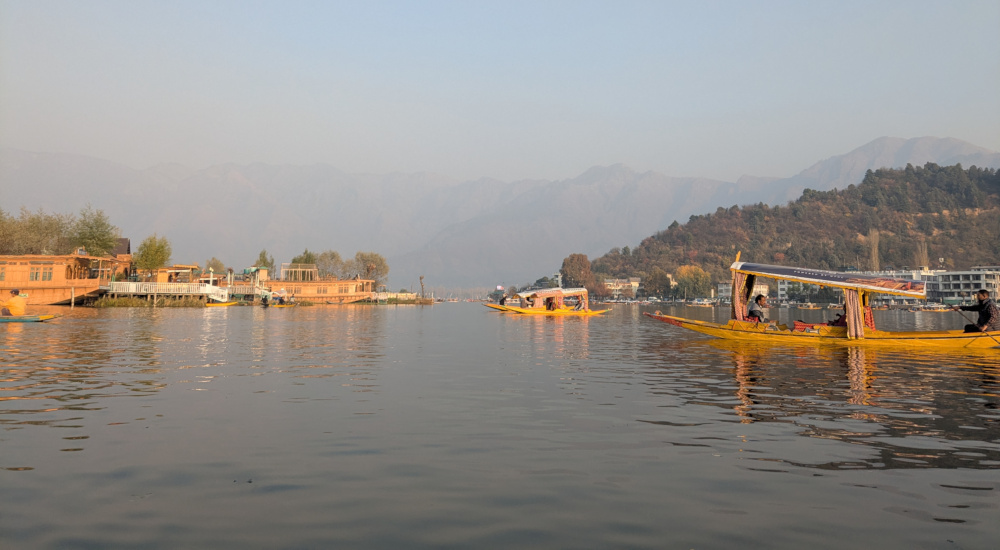
The tranquillity didn't last. The moment we set off across the lake, we were swarmed. Vendor shikaras drifted alongside ours like buzzing mosquitoes, shouting offers of souvenirs, refreshments, and other merchandise. The ride even took us through a floating market. For me, it felt less like an exploration and more of an endurance test.
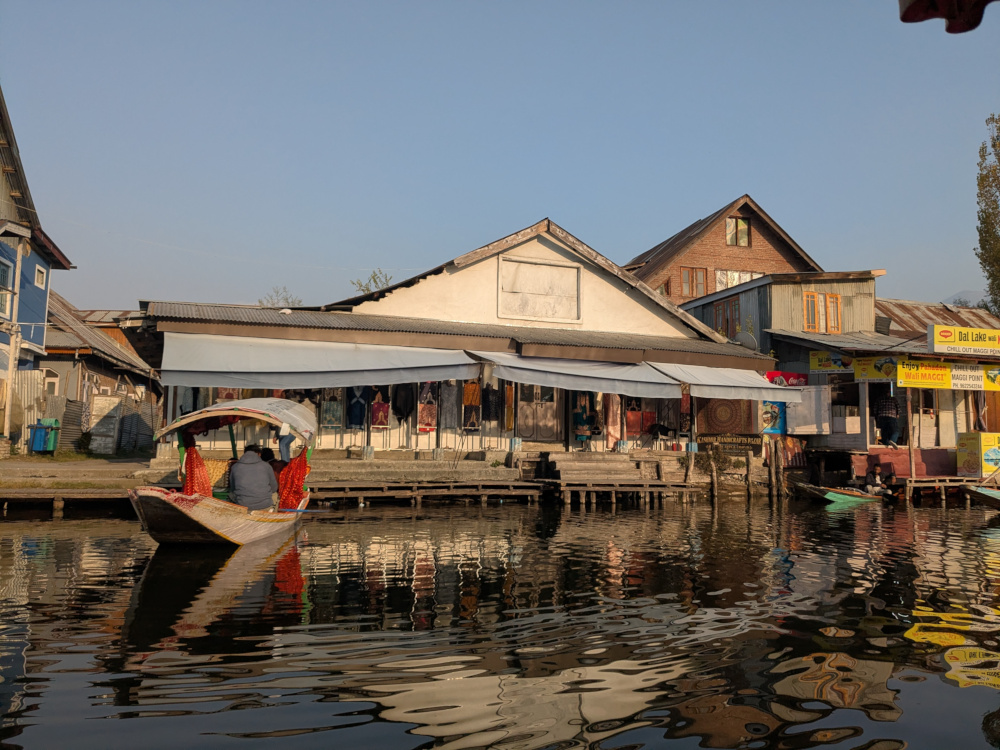
It lasted about an hour and a half, yet the scenery barely registered behind the sales pitches. The natural charm was completely overshadowed by the commercial noise. It was underwhelming, yes. Sometimes travel feels like this—a battle between expectation and reality.
Of course, we needed to end on a note of comfort. As usual, we headed back for dinner at a familiar Bengali restaurant we had discovered days prior. We called it a night after dinner, knowing the car to our next destination would be waiting in the morning.
Pahalgam: A Different Shade of Kashmir
The next morning we set off from Srinagar. We had hired a cab through our hotel, expecting the usual seamless slide towards the Valley. Instead, we got a lesson in unpredictability. Our driver was elusive, reluctant to steer us where we wished, and at one point, simply picked up a stranger without a word of explanation to us. The journey began not with anticipation, but with a quiet frustration.
As the cab wound its way towards Pahalgam, the landscape shifted into open fields. These were vast saffron fields, but they lay empty this time of year. We knew the harvest had passed; the rows were silent husks rather than vibrant blooms. It was a slight disappointment to miss the spectacle.
We arrived at our hotel: the Mountain Orchard Retreat. True to its name, it sat tucked deep within the embrace of apple orchards. Yet, the season had long departed; the trees stood skeletal against the sky, offering a stark silhouette rather than a bounty of fruit. The facilities were modest—some amenities missing—but there was warmth in human connection where the hardware failed. The management staff moved with a gentle diligence, eager to make us feel at home.
The one thing the hotel couldn't avoid, however, was the power cuts. Load-shedding plagued the area day and night, forcing hotels to run on the generators. We were told this wasn't unusual; it was just the rhythm of Pahalgam. Despite this, we spent our first day doing little more than walking the quiet neighbourhoods. It felt startlingly different from Srinagar or the other parts of Kashmir we knew. Here, there were residential streets without the heavy military presence we had grown accustomed to elsewhere. The absence of uniformed patrols was unsettling in itself—a sign of a calm that felt fragile.
If the rooms offered little luxury, the kitchen offered plenty. Our saving grace at Mountain Orchard Retreat was undeniably its chef. The food was exceptional, rich and flavourful, easily bridging the gap between the hotel's shortcomings. Sometimes, really, a good meal is all that is needed to make an unfamiliar place feel like home again.
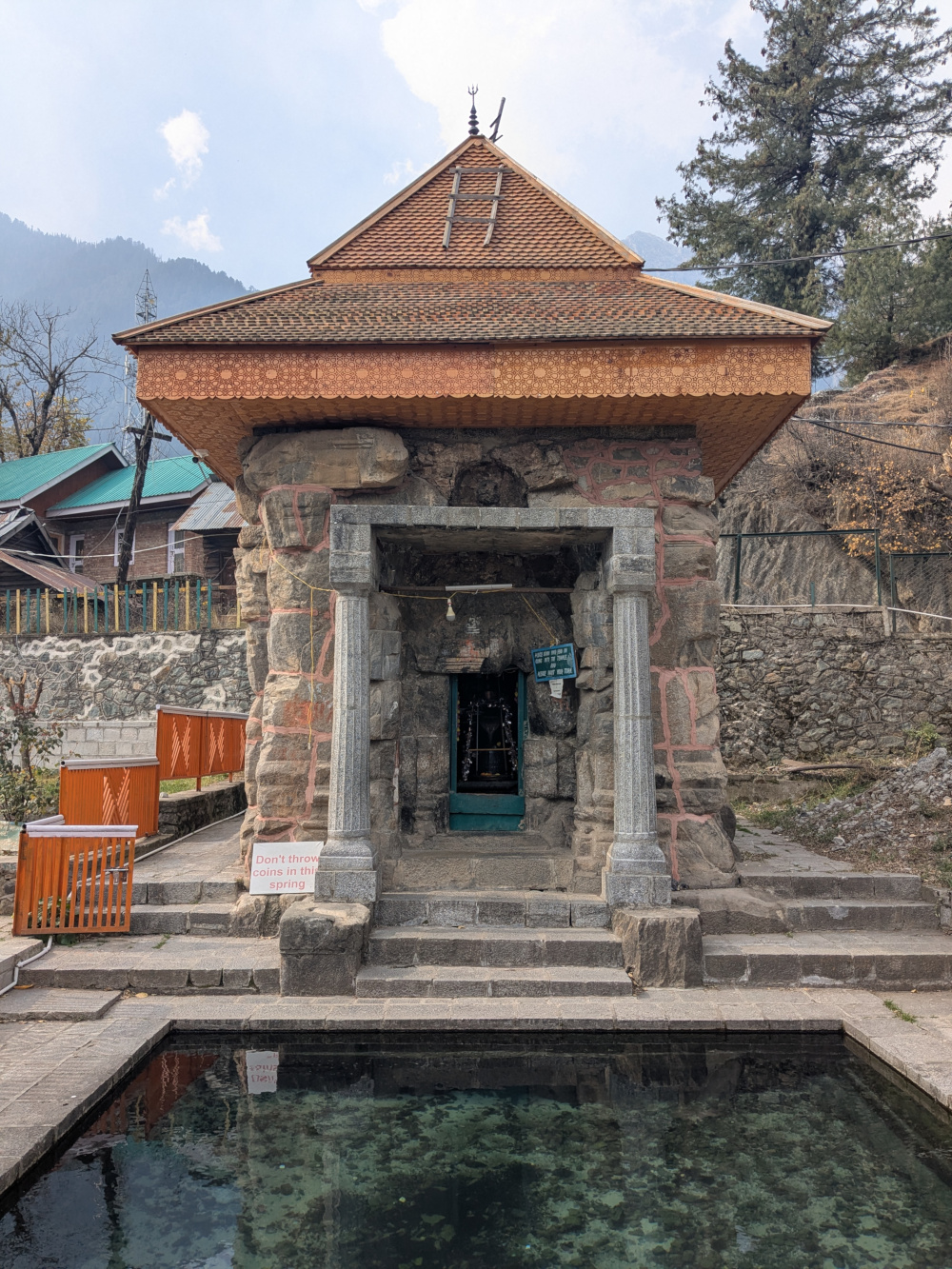
On our second day, we rented a local cab to explore. Our journey began at the Mamaleshwar Temple. It was ancient stone meeting natural spring—a place where we poured water over the Shiva Linga and let ourselves sit in the silence. It was peaceful, a spiritual anchor in a fleeting vacation.
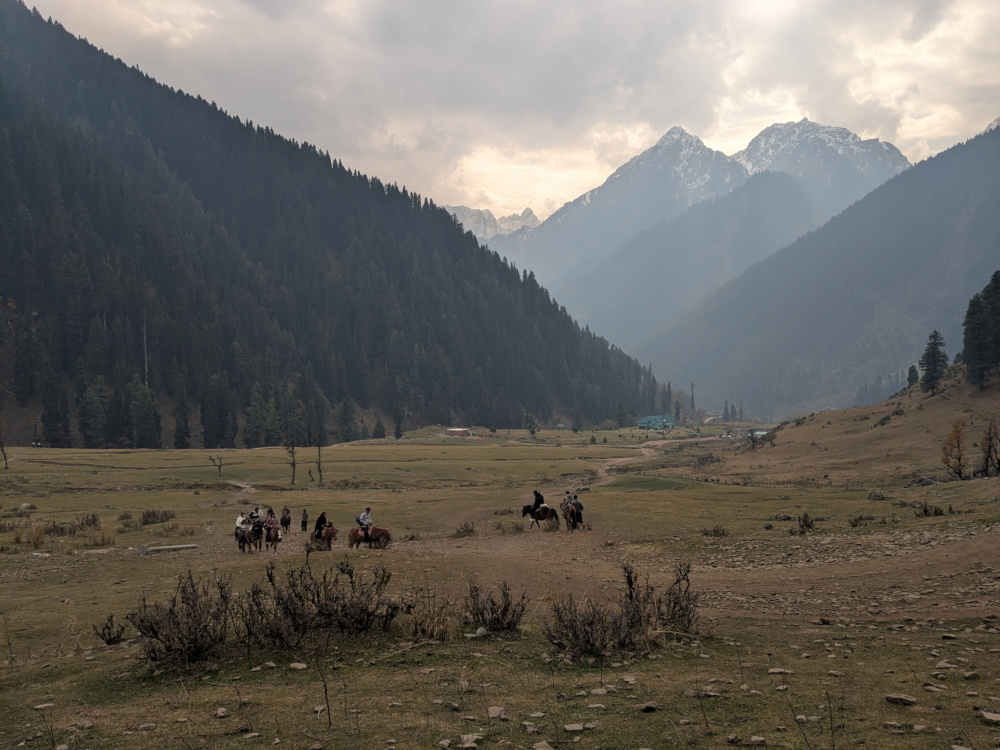
Next we drove into two of Pahalgam’s celebrated valleys. First, Aru Valley stretched out before us, vast and open. I opted not to horseback ride; instead, I walked. It proved manageable enough, and I loved the pace of it—exploring at my own speed, feeling the grass under my shoes.
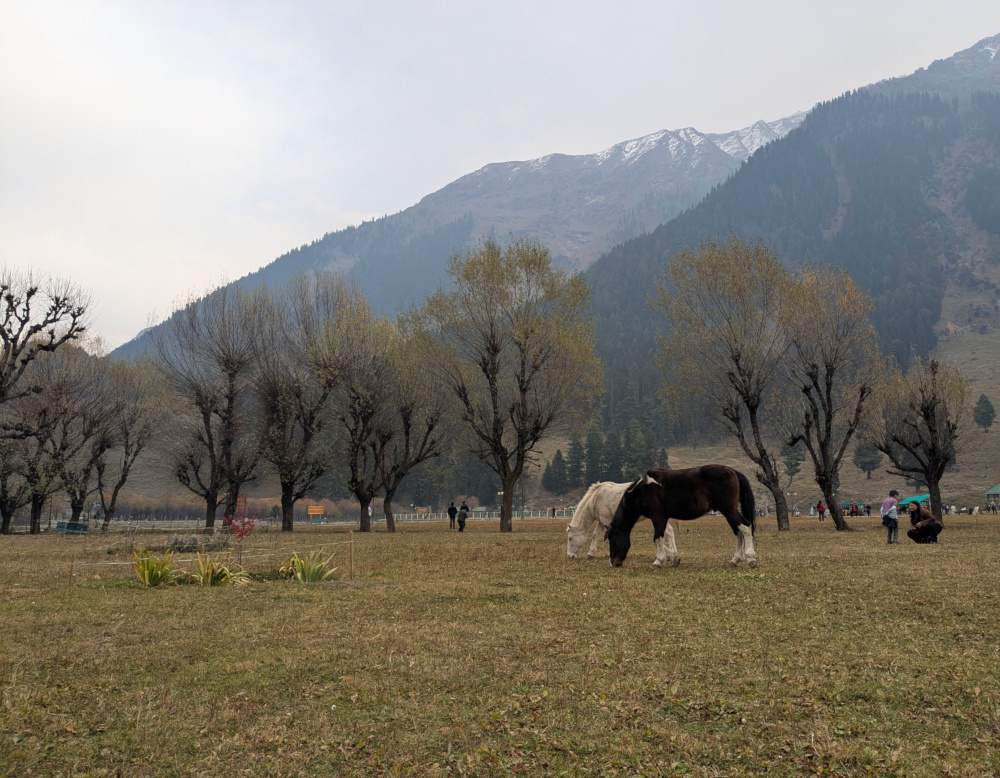
Next came Betaab Valley. Unlike Aru’s wild openness, this space had been manicured into a beautiful, large park. We enjoyed the maintenance, the neatness of it all. But there was a limit to our wanderlust for the day. Having just seen the dramatic, raw landscapes of Sonamarg, Pahalgam felt somewhat underwhelming. It was pleasant, undeniably so, but it didn't quite capture my imagination in the same way those rugged peaks had.
The next day, we pushed further out to Verinag. Located a bit of a drive from Pahalgam, this was said to be the source of the Jhelum. We wandered through its Mughal gardens and stumbled upon a temple that kept its gates closed. But what struck me most wasn't the architecture; it was the lack of tourism. While other spots were crowded with outside tourists, Verinag felt reserved for the locals. Only a handful of travellers like us roamed the grounds. It was a refreshing change, a place where time seemed to move slower.
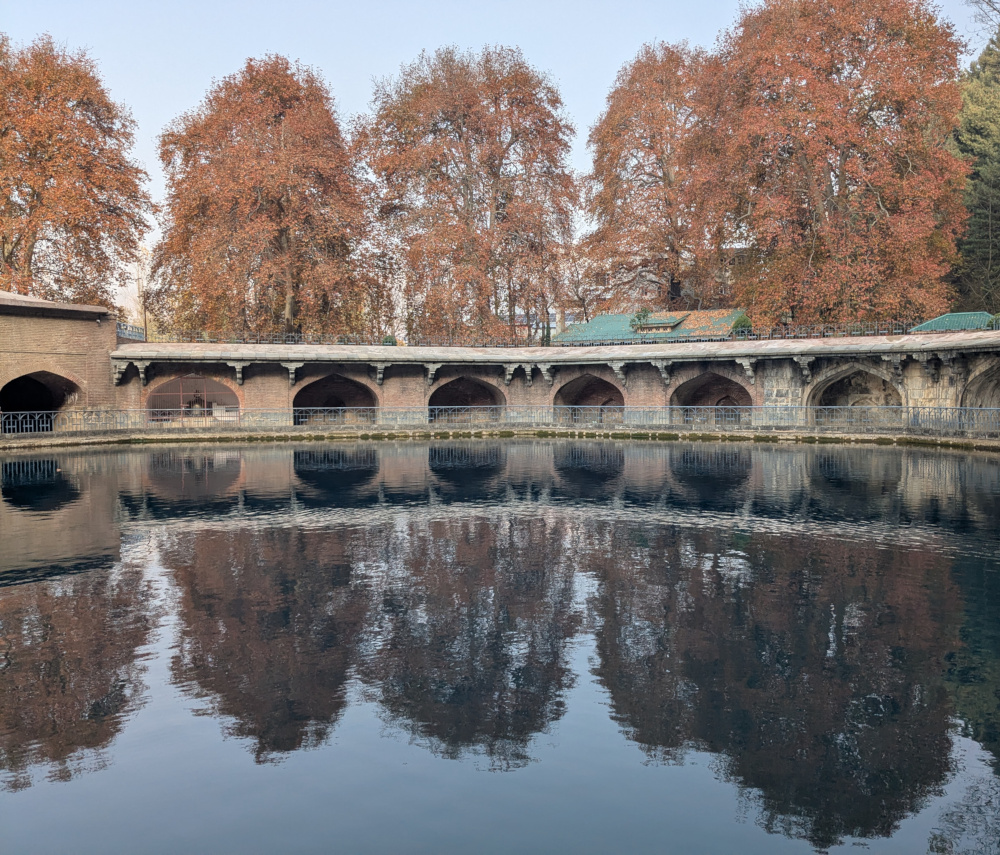
On our return journey, we stopped at a roadside eatery for some grilled trout. The fish was charred perfectly; it was delicious, marking a satisfying end to a long day's excursion.
But as we left Verinag behind, the news began to creep into our travel log with heavy footsteps. We heard reports that three CRPF personnel had been shot by terrorists in nearby Kulgam, and a search operation was underway. It hadn't stopped us yet, but it explained the new scrutiny on vehicles moving in the opposite direction.
The following morning brought even heavier news: two Special Forces personnel had gone missing in Kishtwar. We drove back with these developments weighing on our minds. The beauty of the drive home was overshadowed by a sobering reality check.
Pahalgam remains a mixed chapter in our Kashmir story. Between the ancient stones of Mamaleshwar, the vast emptiness of Aru Valley, and the well-kept gardens of Betaab, there were moments worth keeping in your pocket for later reflection. Yet, it didn't quite live up to the expectations set by earlier visits to the region.
As we drove towards Srinagar, looking back at the fading green of the hills, the news served as a sobering reminder: beyond the breathtaking landscapes and the serene temples, Kashmir is a place where reality often presses hard against beauty. And sometimes, that is the only landscape that truly stays with you.
The Journey Back Home: A Ride to Remember
There’s a certain weight to travelling home when you’ve been told to expect the unexpected. We had spent the morning reading the grim news in the headlines, bracing ourselves for checkpoints that might turn into obstructions. Concern is a heavy thing to carry in your luggage.
So, we made a bold call: we left Pahalgam early in the morning.
We weren’t counting on miracles—only on luck. But as we rolled out of that valley, the world seemed to open up for us unexpectedly. The journey was remarkably smooth. We passed through the necessary security hurdles with only a few polite inquiries about our origin here and there. There were no delays, no long queues, just a steady stream of movement that felt almost defiant against the tense news cycle we’d been following.
By mid-morning, we found ourselves well ahead of schedule at the Srinagar Railway Station. With our bags settled and time to burn, we slipped into the executive lounge—a quiet bubble where the outside chaos seemed to stay at bay. It was a place to breathe before boarding the Vande Bharat Express.
We boarded in the afternoon, and the landscape began to blur into something cinematic. The train didn’t just move; it wound through the mountains like a ribbon of steel and glass. We passed through a tunnel that swallowed us whole, and over bridges that defied gravity.
But then came the moment we had been waiting for: the Chenab Bridge.
It’s easy to see photos from a distance, but sitting there on the Vande Bharat, with the world far below, it hit different. This wasn’t just an infrastructure project; it was a testament to human ambition and engineering prowess.
Jammu came to us as the evening deepened. There wasn’t much time for lingering here; we simply boarded the Rajdhani Express to begin our overnight ride to New Delhi. The lights of the capital city waited in the distance. By the next morning, we were in Delhi once more. After spending a few hours sightseeing and soaking up the familiar hustle, we hopped on a flight to Kolkata.
Midnight found us finally arriving home. The adrenaline of the trip faded as sleep took hold.
And just like that, our Kashmir adventure was complete. What started as an impulsive family plan had evolved into something else entirely—a tapestry woven from spectacular landscapes and unsettling moments.
From the tranquil waters of Dal Lake to the snow-capped heights of Sonamarg, and past the gardens of Srinagar to the quiet valleys we left behind in Pahalgam, each place had stamped its mark on us. Not every stop was perfect. Not every view met our expectations, or perhaps we were simply wrong in what we thought we’d find.
But isn't that the point? Travel is rarely about a checklist of beautiful destinations; it’s about the detours. It’s about the people who shared your seat, the quiet moments where you forgot the news cycle for a second to watch the sun set over a gorge, and the memories you drag home in your pockets.
Epilogue: More Than Just a Journey
If you know me at all, you know that my usual mode of travel is lightweight and streamlined. But this time? This trip to Kashmir was heavy, loud, and wonderfully complicated.
Eight of us. Luggage stacked like bricks at every turn. Logistics that stretched my patience to the breaking point.
Kashmir didn't just show us the region; it let us hold its heart. We saw it all: the shimmering glass of Dal Lake and the Mughal gardens where Srinagar still hums with history. We chased the snow at Gulmarg, and we got our first real snowfall in Sonamarg, watching flurries blanket a quiet world for the first time. We roamed through the quieter shadows of Pahalgam, where time seemed to move slower than it ever does in the city.
But if you strip away all the tourist cards and photo ops, if you filter out the landmarks… what was left?
What stuck with me were the quiet moments that didn't make the itinerary. The way the mountains loomed from an aircraft window as we flew in. The smell of crisp air in an apple orchard. Walking alone by the Sind River, just watching the water flow past my feet. The laughter when we played in the snow. Even the long hours on the road became part of the story.
There is something magical about being with family on a trip like this. You can't help but be slower. You can't pack as light. The plans bend around people's comfort and moods. But there is a warmth in that friction. There is a shared joy that makes the logistics worth it.
Sometimes, the best parts of a journey aren't the places you go. They are the ones who show up with you.
 RSS Feed

Write a comment: